
Our Key Programs

Dedicated to the health, preservation, and community enjoyment of Lake Musconetcong.
The Lake Musconetcong Regional Planning Board (LMRPB) focuses its resources and efforts on three essential program areas to ensure the long-term vitality of the lake and its surrounding watershed.
Lake Musconetcong
Regional Planning Board
77 Main Street
Stanhope NJ 07874
info@lakemusconetcong.com

Advisory Role
Advisory & Environmental Oversight
Our first key responsibility is to act as an official advisory body to the four municipalities, two counties, and the State of New Jersey regarding any issues that impact the health of the lake and its watershed.
Areas of oversight include:
- Monitoring and advising on non-point pollution sources.
- Reviewing and assessing the specific environmental impacts of individual construction projects within the lake’s watershed.
Education & Community
Public Education & Community Outreach
The LMRPB is charged with educating the public on water quality, the health of our aquatic environments, and the habitats of the fish and wildlife that call the lake home.
How we connect with the community:
- Local Events: We actively participate and share information at Stanhope Day, Netcong Day, and Byram Day.
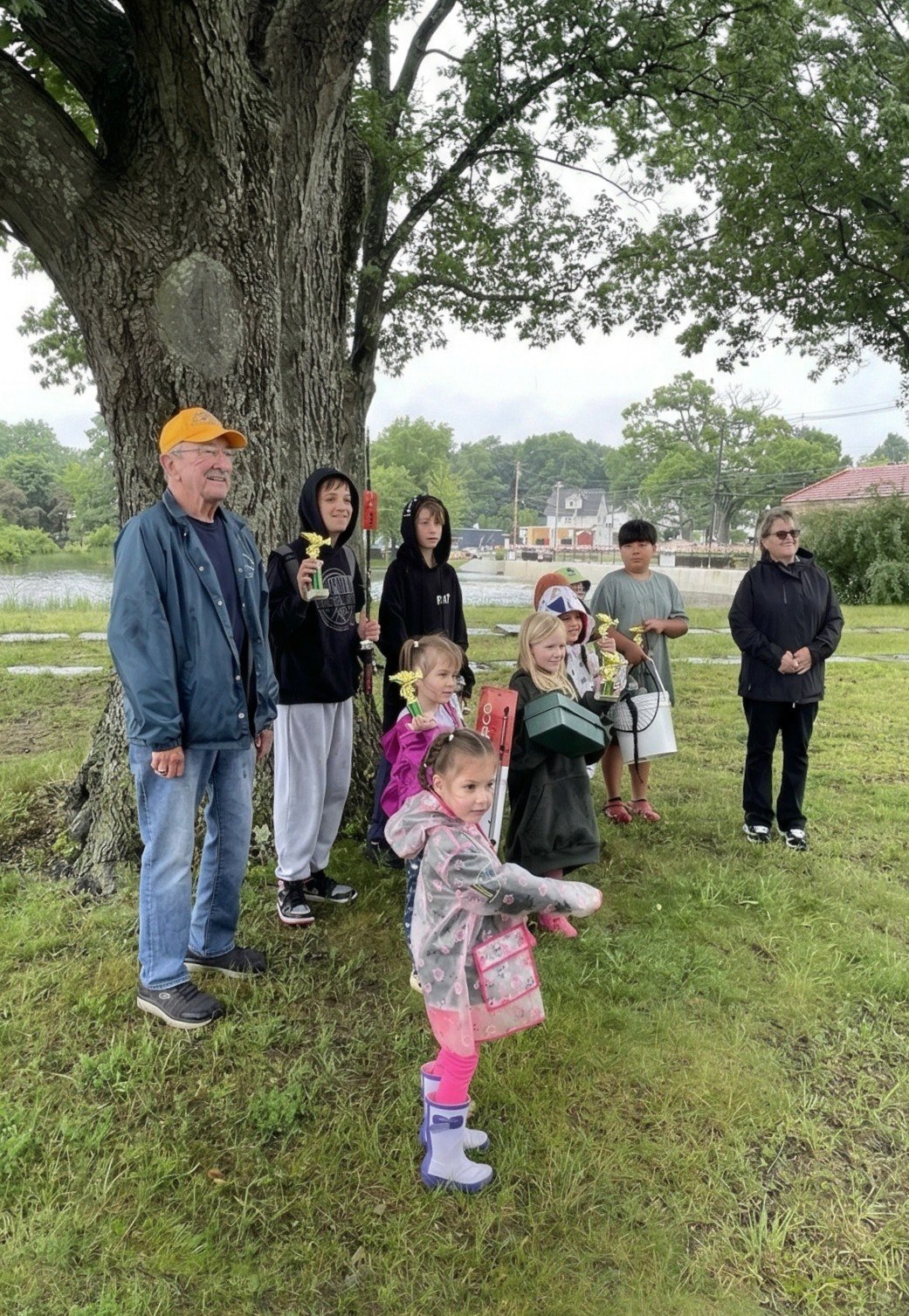
- Annual Youth Fishing Contest: Held annually in the first week of June, this highly anticipated event offers youth (and adults!) the opportunity to discover the diverse fish populations in the lake.
- Strategic Partnerships: We maintain close relationships and provide resources from our partners, including NJ Fish and Wildlife, NJDEP, NJ State Parks, and the Musconetcong Watershed Association.
Lake Management & Weed Control
Invasive Weed Control & Lake Management
Our largest annual effort is the complex process of invasive weed control and sediment management.
Chemical Treatment
- We utilize the selective application of herbicides in key areas of infestation, varying the treatment year-to-year based on the specific species present and their location.
- Impact: We have successfully eradicated over 100 acres of invasive water chestnut, Eurasian milfoil, and other harmful species.
Mechanical Harvesting
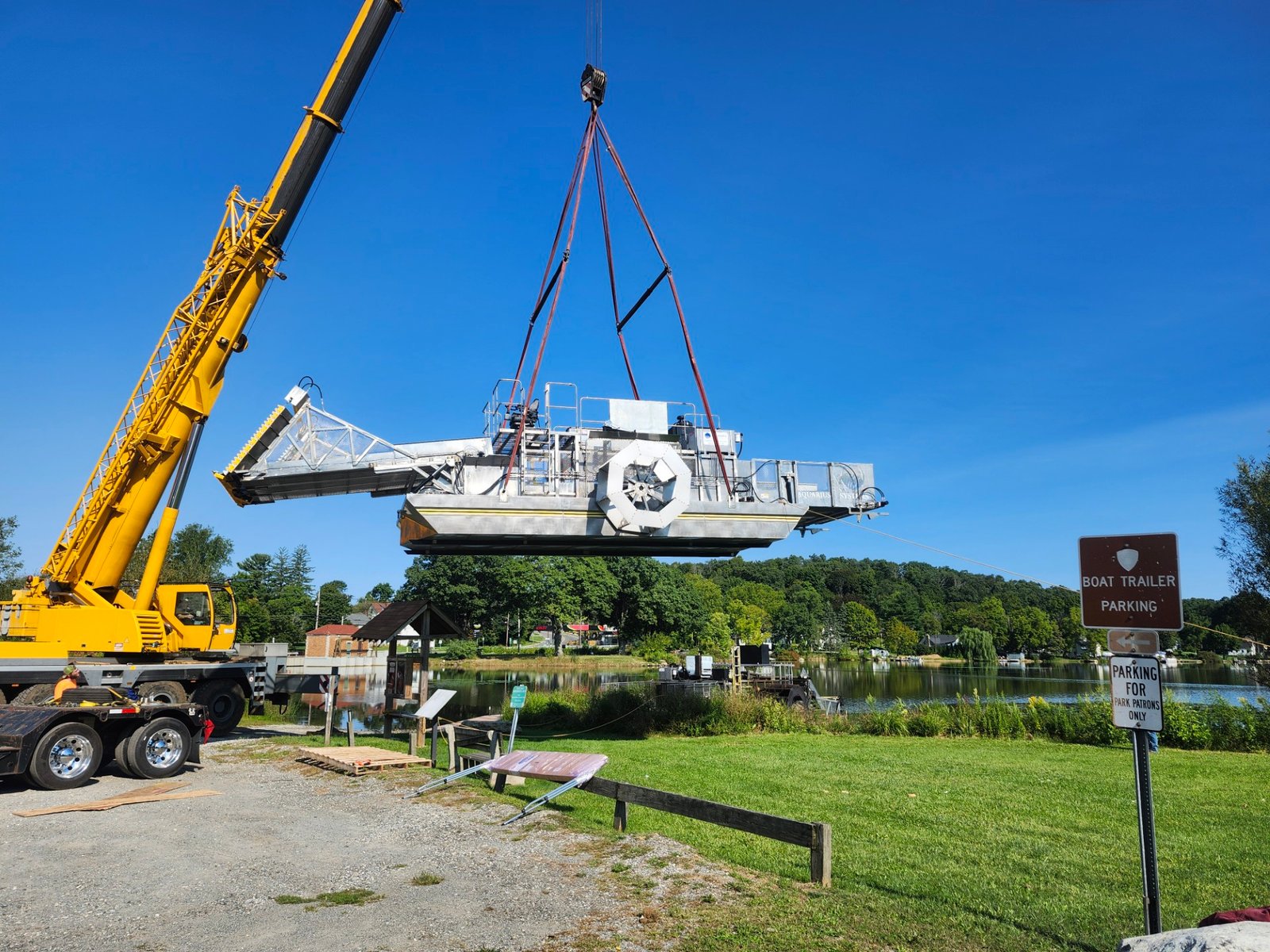
- A major portion of our management effort is addressed mechanically using our Aquarius System HM-820 Weed Harvester. Removing weeds physically is crucial because it also removes the nutrients they absorbed, preventing them from recycling back into the water.
Lake Musconetcong Regional Planning Board
Lake Management Facts
Here is a look at the massive scale of our ongoing weed control efforts
Invested in Herbicide Treatment
USD
Dedicated to targeted chemical eradication since 2010.
Weeds Harvested
million lbs
Removed over the past 15 years using mechanical harvesting (a $182,569 operational investment).
Phosphorus Removed
lbs
Prevented from re-entering the lake ecosystem through our mechanical weed harvesting efforts.
Exploring Alternatives to Dredging
Innovative Solutions & Regulatory Challenges
The LMRPB is continually researching innovative ways to reduce the depth of biological sediment (muck) at the bottom of the lake.
Pro-Biotic Treatments

In 2014 and 2015, we ran trial experiments using pro-biotic treatments, determining it to be a viable, cost-effective alternative to traditional dredging. In 2022, in partnership with the Lake Musconetcong Community Association, we planned a focused 150-acre treatment using MD-Pellets to dissolve bottom muck. Unfortunately, after the purchase was made, the NJDEP disapproved the use of MD-Pellets, a decision based on a lack of state research into the product.
Hydro-Raking
In mid-summer 2017, we purchased and deployed a Hydro-rake intended to remove aquatic plants by their root systems to prevent regrowth. However, the NJDEP subsequently changed their official definition of "Hydro-Raking," rendering our specific equipment unsuitable for its originally approved use.
Moving Forward
The Board voted to sell the Hydro-rake, utilizing the proceeds to augment our ongoing operations and focus on our pro-biotic efforts—though those efforts currently remain halted by the DEP. We continue to advocate for effective, science-based solutions to preserve Lake Musconetcong.